
JUDY MAXWELL-MCNICOL
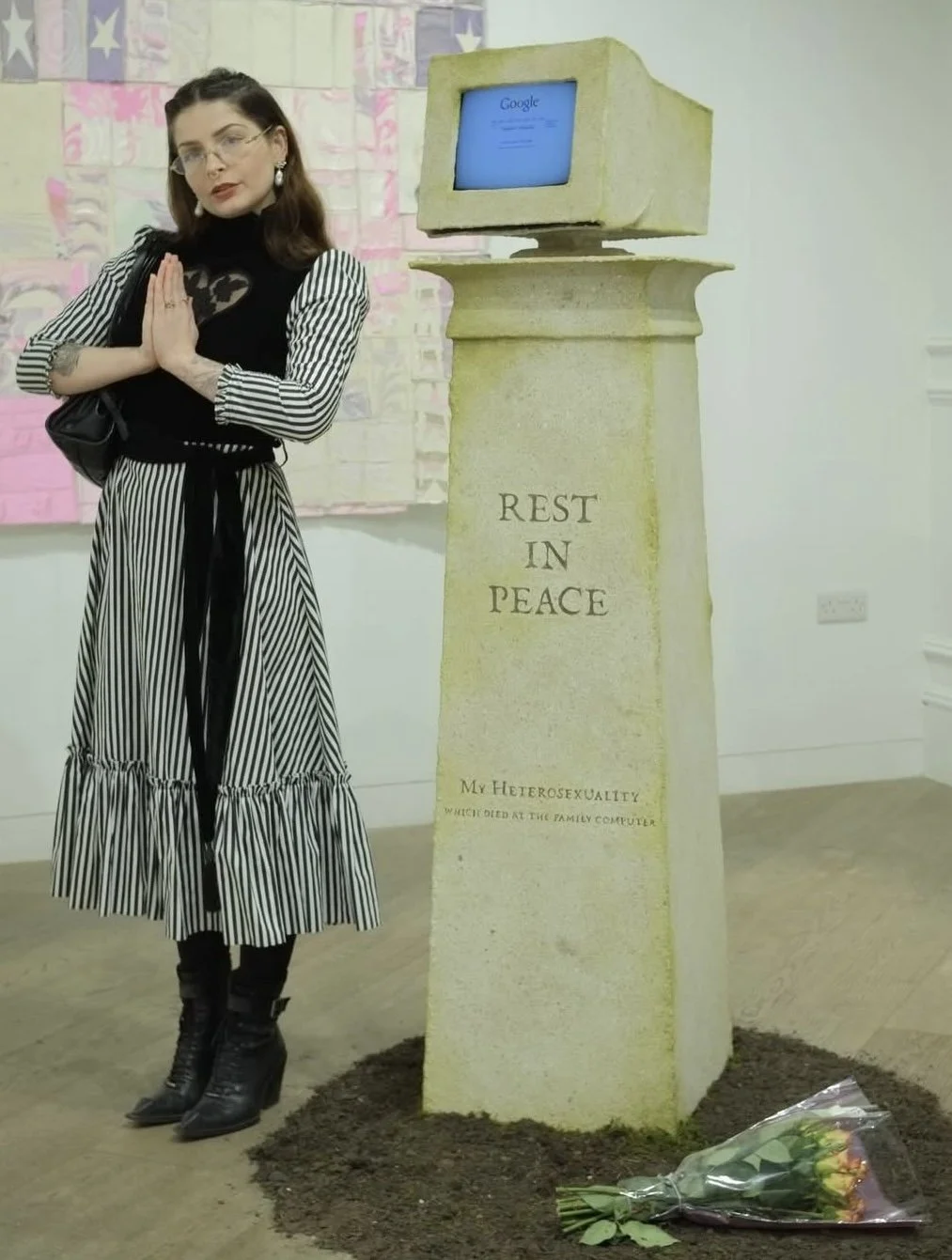
RIP my heterosexuality which died at the family computer
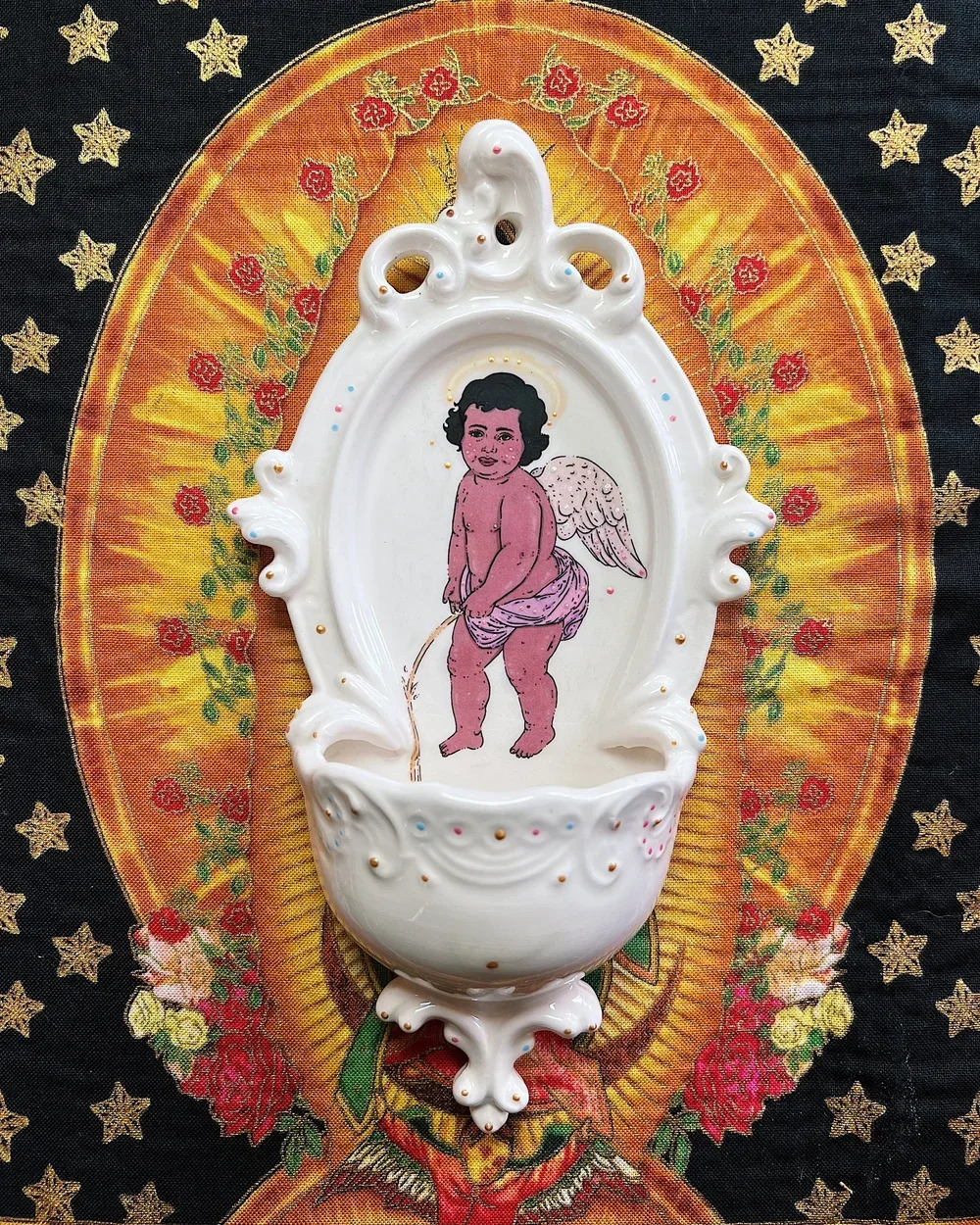
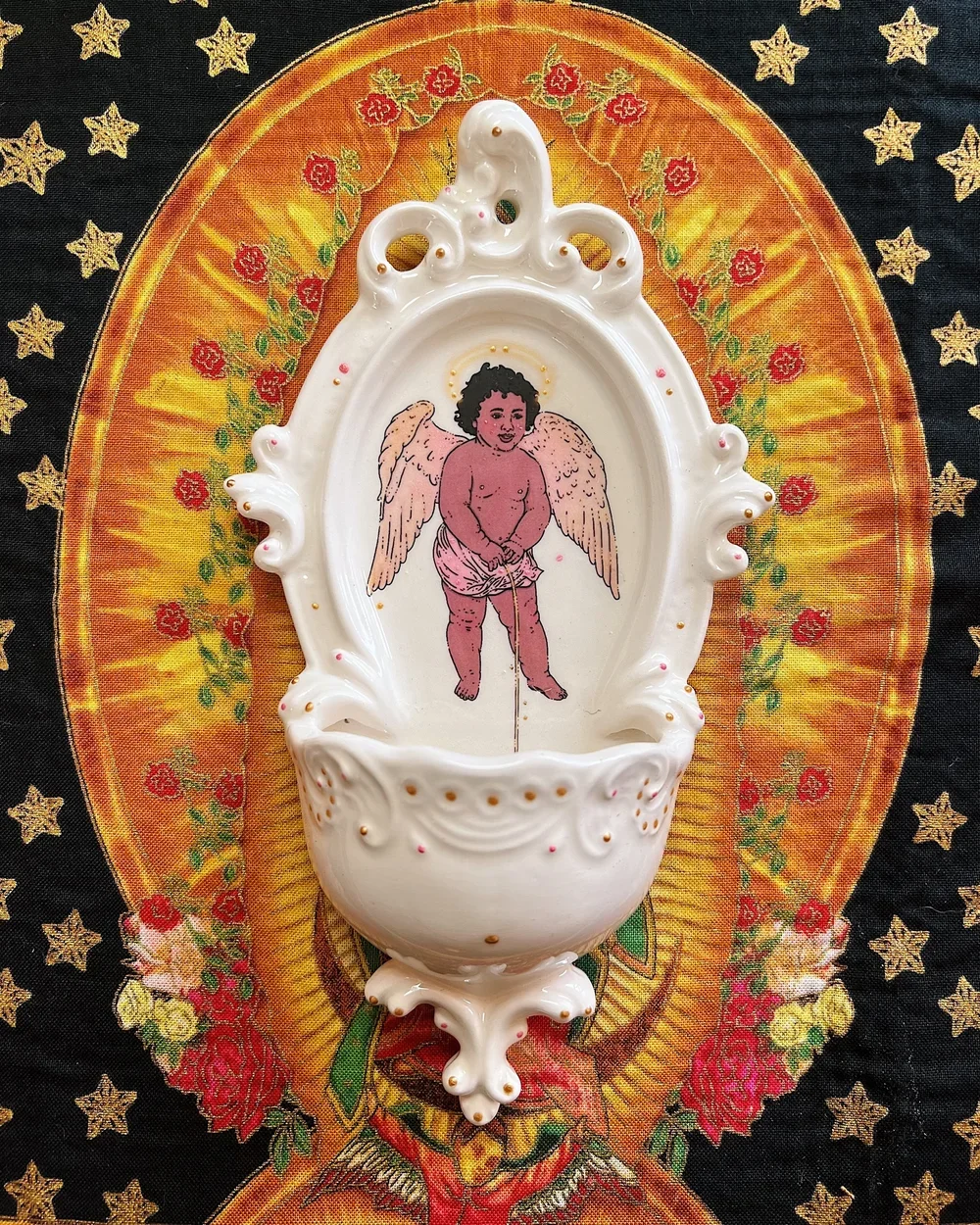
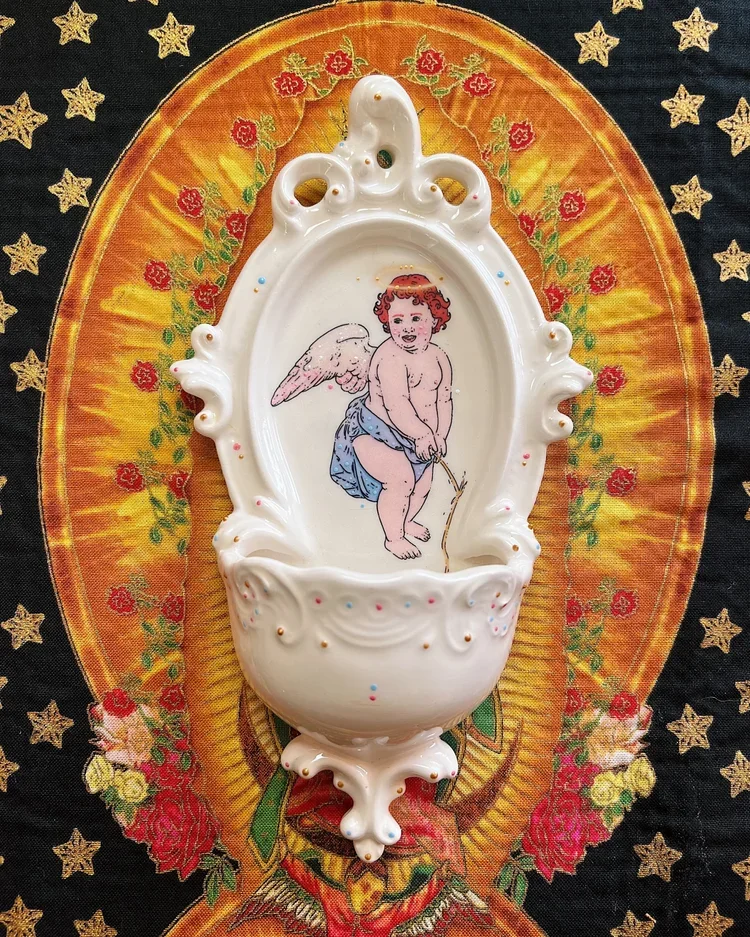
Shop an exclusive range of original works for sale by Judy Maxwell-McNicol in the wake of her recent installation in PORTALS, Spitalfields. Priced between £250 - £325, these original works are made available exclusively to PORTALS.
All drawings include artist-led framing comprising of a dark wood box frame and glass. All works are signed by the artist and are one-off only.
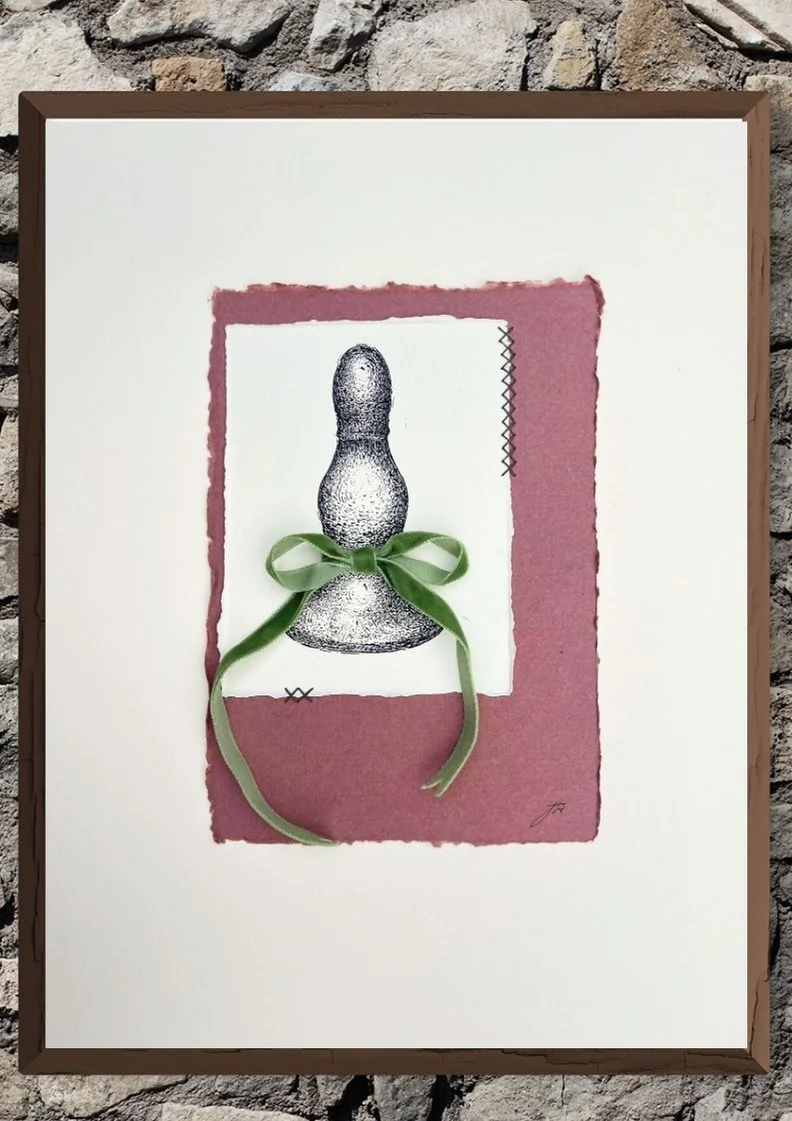
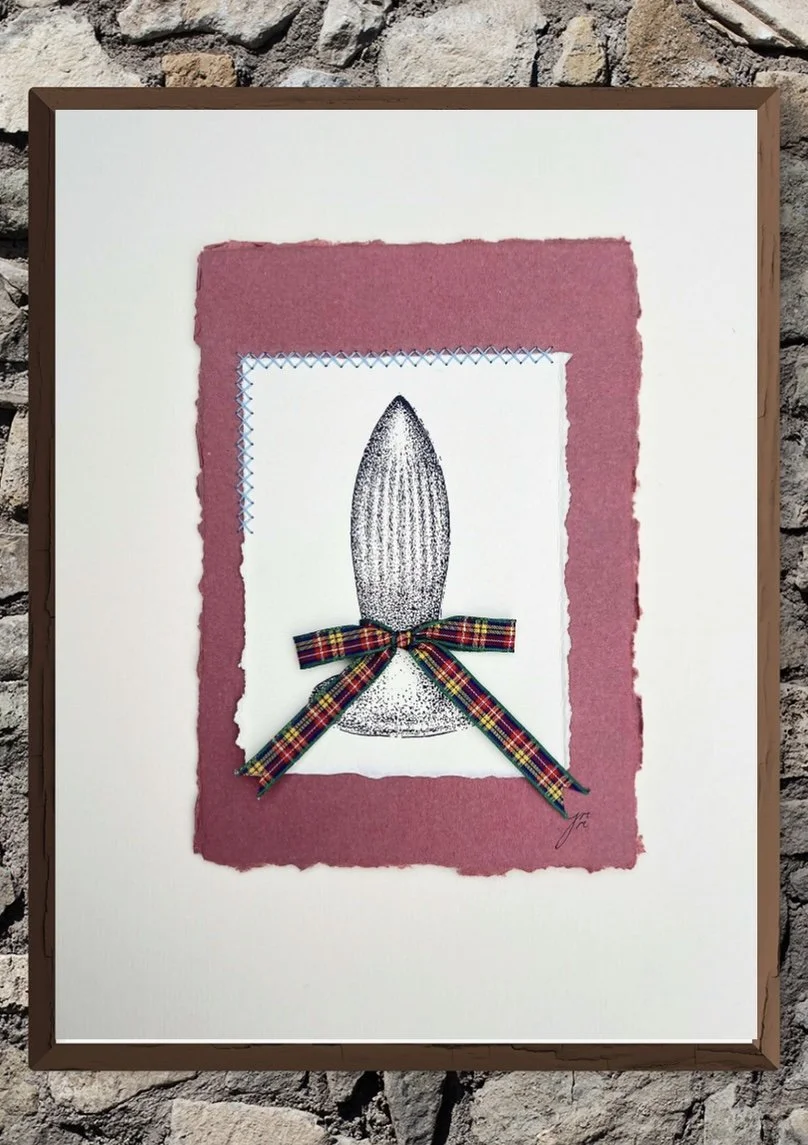
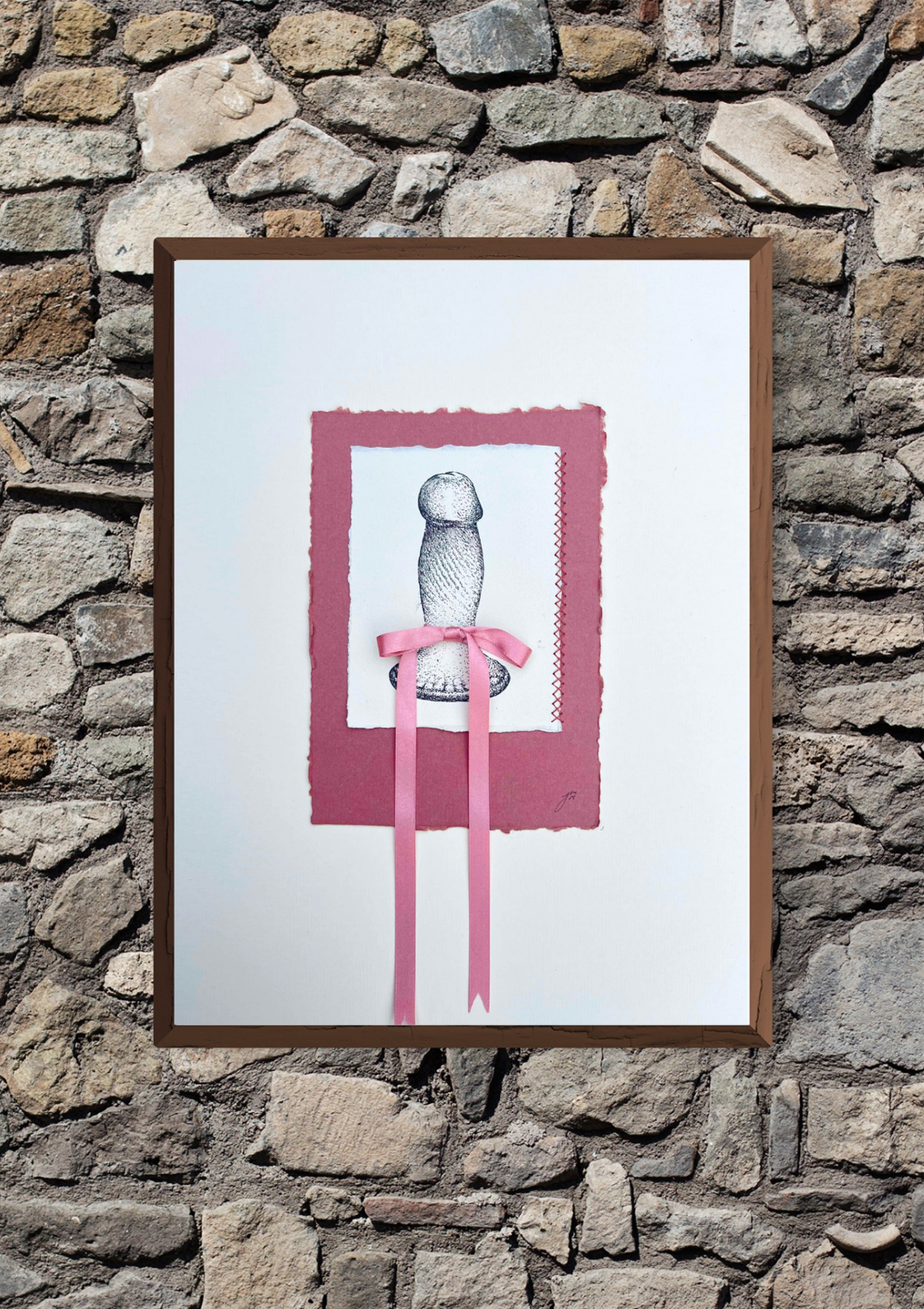
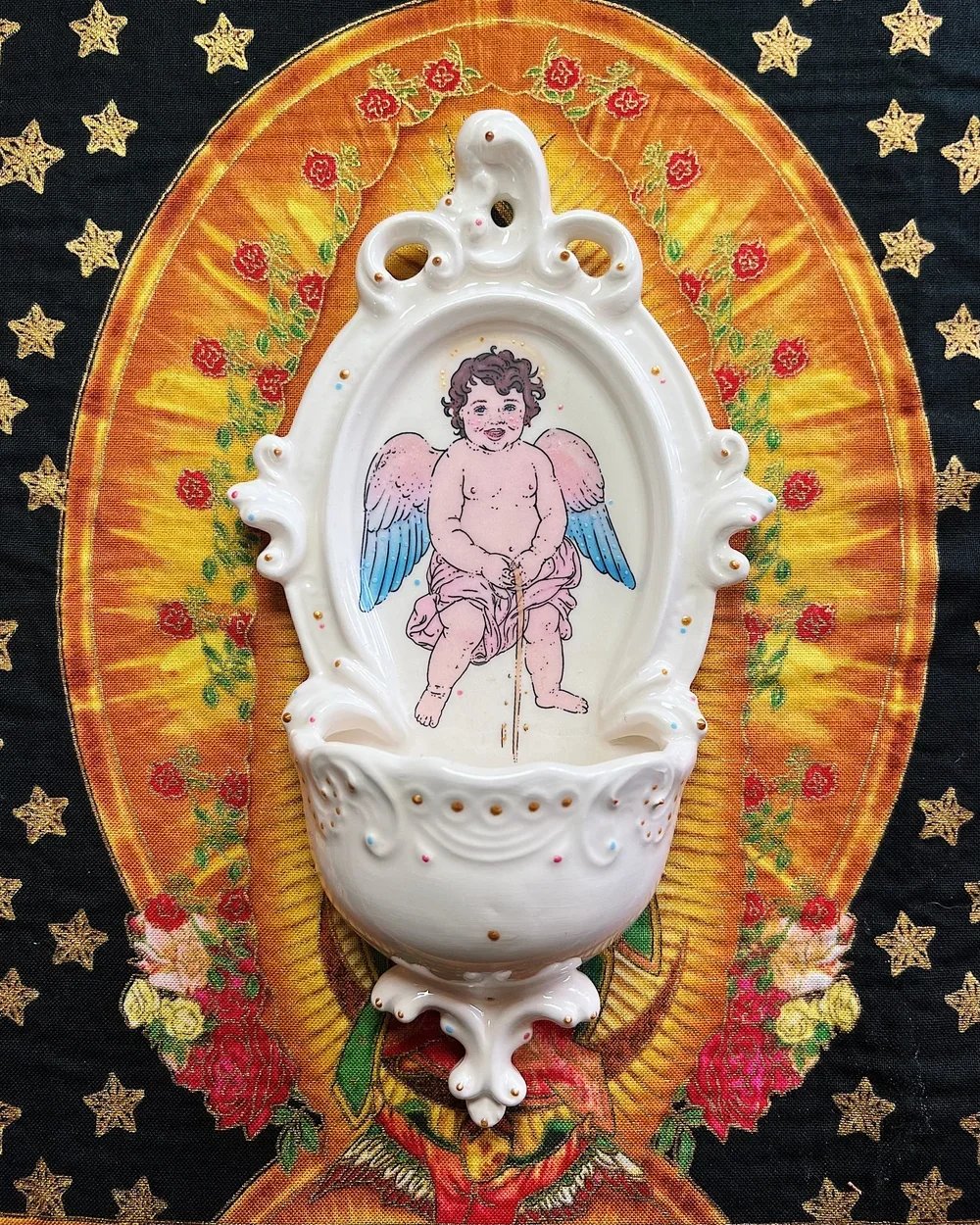
Installation
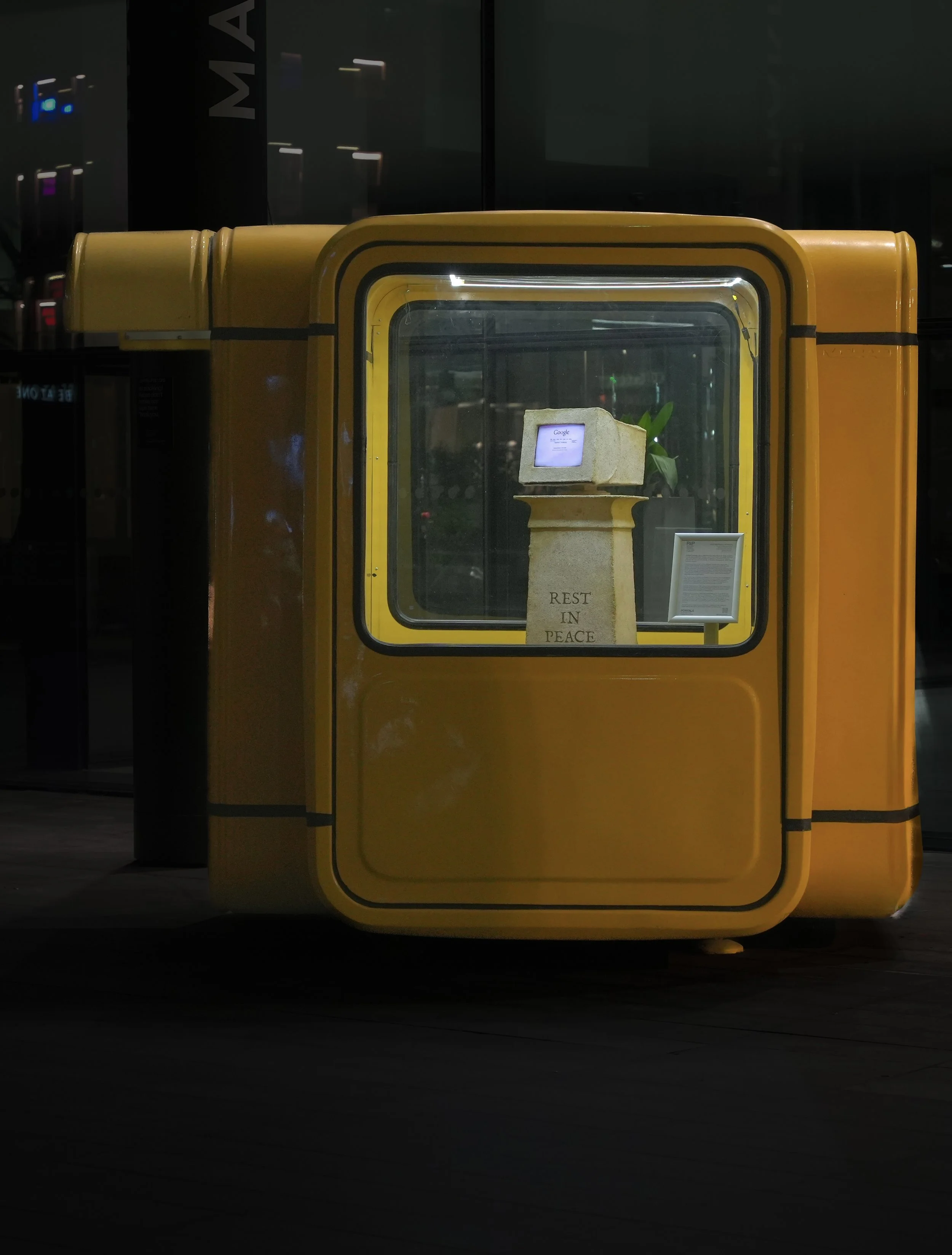
PORTALS presents ’RIP my heterosexuality which died at the family computer’, by Judy Maxwell-McNicol, installed within the K67 kiosk in Spitalfields Market as part of the platform’s inaugural public art programme. Running until 16 March 2026 and framed as a humorous memorial, the work marks the passing of the artist’s heterosexuality, which, died at the family computer.
The sculpture takes the form of a gravestone-like monument topped with a handbuilt CRT computer monitor displaying an early Google search for “girls kissing”. The work recalls the moment, aged around eight or nine, when
Maxwell-McNicol first encountered same-sex desire while secretly searching online on the family’s bulky Dell computer, positioned in a highly visible hallway between the kitchen and staircase. At a time before personal devices offered privacy, family computers often occupied shared domestic spaces, creating an atmosphere of heightened risk and quiet secrecy. The monitor in the sculpture is deliberately tilted to the side, echoing the discreet angle from which the artist viewed the screen in order to shield it from passing eyes without arousing suspicion. Surrounding the pedestal are inexpensive bouquets, their plastic wrapping and price labels intact, reinforcing the work’s comedic tone while recalling the ritual of leaving flowers at a grave.
Judy Maxwell-McNicol (b. 1996, Glasgow) is a multidisciplinary artist whose work explores identity, memory and queer experience through sculpture and installation. She completed an MA in Fine Art at City & Guilds of London Art School in 2025 and has exhibited both in the UK and internationally.
Judy Maxwell-McNicol
In her practice, Judy Maxwell-McNicol explores the human condition through a queer perspective, using humour not just to entertain, but to confront, complicate and reframe. Rooted in personal experience and research, her work engages with the cultural and emotional legacies of shame - particularly those tied to gender, sexuality and the body. Drawing on the subversive potential of laughter and how it has historically been used in feminist and queer art, she aims to reposition shame not as something to hide, but as something that can be witnessed, shared, and ultimately transformed.
Combining ready-made objects with hand-made, often labour-intensive craft, she disrupts our relationships with familiar materials by reworking or recontextualising them in unexpected, playful, and often absurd ways. Through these material interventions, she creates alternative ways of challenging and reconfiguring the relationships between the social and the symbolic, frequently using laughter as a tool for disruption and transformation. Developed through an ongoing exploration of how shame is enforced, internalised, and performed, her work aims not to resolve shame but to activate it - to invite it into conversation with laughter, parody, and pleasure.
Through her work, Judy hopes to create experiences that are disarming and affecting - like the sensation of being tickled, where laughter erupts from something that also causes discomfort. She wants to create moments of release: a space where we can speak to shame, let it move through the body and feel it shift - becoming something we can laugh with, live with and even find joy in.
Judy graduated with distinction in her MA Fine Art degree from City & Guilds of London Art School in 2025. She also holds a First-Class BA (Hons) in Fine Art from Paris College of Art (2018) and has exhibited in London and internationally.
Instagram: @weemoodyjudy
PORTALS
PORTALS was founded by established gallerist Sarah Kravitz to bridge the gap between arts, culture and high-street revitalisation. Portals bridges contemporary art and public space - bringing curatorial thinking beyond the gallery and into the rhythm of urban life. At its centre is the iconic K67 kiosk, a design classic of modular architecture in which its compact form invites artists, designers, thinkers, and brands to create bold cultural moments within a compact, yet powerful structure.